In this unit we learned about cells. How cells are the smallest unit of life and most important. How all things are made up of cells. How there are two types of cell in life: Prokaryote and Eukaryote. A Prokaryote has no nucleus while a Eukaryote does. We also learned about cell membranes asking the question, "wy are membranes and their characteristics so essential to life. We also leaned about what a cell does. A specializes in making proteins which i essential for our body. What does photosynthesis do? Photosynthesis is process that converts sunlight into energy. This only works for plants and not animals. We also learned why cells are so small. Cells are small do to a process called diffusion. We also learned about a cell wher ethe solvent can take over the solute which is called hypotponic and can explode. In this unit we also learned about cellular respiration.
Thursday, October 27, 2016

Wednesday, October 12, 2016
Egg Diffusion Lab
In this Lab we experimented on an egg. We removed the shell by using vinegar to remove when combining the to in a beaker. Later we drained the vinegar out leaving us with the egg. We put the egg in a different beaker increasing the sugar water in it. The mass and circumference of the egg both dropped significantly. The sugar water being the solute and the egg being the solvent they make the solution.
A cells Internal environment changes as its external environment changes because of a process called diffusion. the vinegar increased the the mass and circumference of the egg making it hypotonic. While the water made the egg even bigger do to the solvent gaining while the solute wasn't. The salt decreased the mass and circumference do to the solvent was leaving while the solute was gaining in the process called hypertonic.
This lab demonstrates a biological principal by diffusion. Diffusion is a process where cells diffuse making the cell smaller or bigger being hypertonic or hypotonic.
Fresh veggies are sprinkled with water to help keep the veggies fresh even when they are out of the ground. The water helps diffuse the veggies cells by increasing the solvent, when they would not sprinkle water the solvent would decrease and only have solute. When a road is icy they put salt on it to increase the solute do to there is too much solvent(ice/water).
Based off of this experiment I would like to experiment what salt would do to a orange overnight or in a week. see if the solute adds to much and the solvent leaves or if the solvent stays and remains the same.
This lab demonstrates a biological principal by diffusion. Diffusion is a process where cells diffuse making the cell smaller or bigger being hypertonic or hypotonic.
Fresh veggies are sprinkled with water to help keep the veggies fresh even when they are out of the ground. The water helps diffuse the veggies cells by increasing the solvent, when they would not sprinkle water the solvent would decrease and only have solute. When a road is icy they put salt on it to increase the solute do to there is too much solvent(ice/water).
Based off of this experiment I would like to experiment what salt would do to a orange overnight or in a week. see if the solute adds to much and the solvent leaves or if the solvent stays and remains the same.
Monday, October 10, 2016
egg macromolecules lab
In this lab we asked the question, can macromolecules be identified in an egg cell. We found that an egg represents a cell. Meaning macromelucules are found int he same area. For the qualitative data we found that egg membrane and egg yolk always turned purple for every test stating that they have protein in them. Meaning that the Macromolecule was present. For the quantitative data we found that the darker the purple the higher the amount of macromolecules that were present. Ig the color did no change at all we noticed there was no macromolecules there. This evidence and data also comes from Mr. Orre's vodacasts for homework and also the CFU's. This data supports our claim because all the data we found we would see if the data was correct or no then collaborate on what rating we would give for the 0-10 macromolecule test.
While our hypothesis was supported by our data, we found out that there could have been errors due to leaving the test tubes in too long leaving the experiment to go over while others were on target. Or since one of our members of our group left early we had to do their part where they left off not knowing where they were. Due to these errors, I would recommend the person to tell us everything they did be for leaving so the other group members would know what to do next time. Also I recommend that the tools to get the test tubed out of the water are easier to use.
This lab was done to demonstrate the macromolecules were present in the negative control (water), the egg membrane, the egg yolk, and the egg white. From this lab I learned the ways to see if the macromolecules were present and why they were present which helps me understand the concept of what macromolecules are in what part of a cell if its the nucleus, membrane etc.
While our hypothesis was supported by our data, we found out that there could have been errors due to leaving the test tubes in too long leaving the experiment to go over while others were on target. Or since one of our members of our group left early we had to do their part where they left off not knowing where they were. Due to these errors, I would recommend the person to tell us everything they did be for leaving so the other group members would know what to do next time. Also I recommend that the tools to get the test tubed out of the water are easier to use.
This lab was done to demonstrate the macromolecules were present in the negative control (water), the egg membrane, the egg yolk, and the egg white. From this lab I learned the ways to see if the macromolecules were present and why they were present which helps me understand the concept of what macromolecules are in what part of a cell if its the nucleus, membrane etc.
Friday, September 23, 2016
Unit 2 Reflection
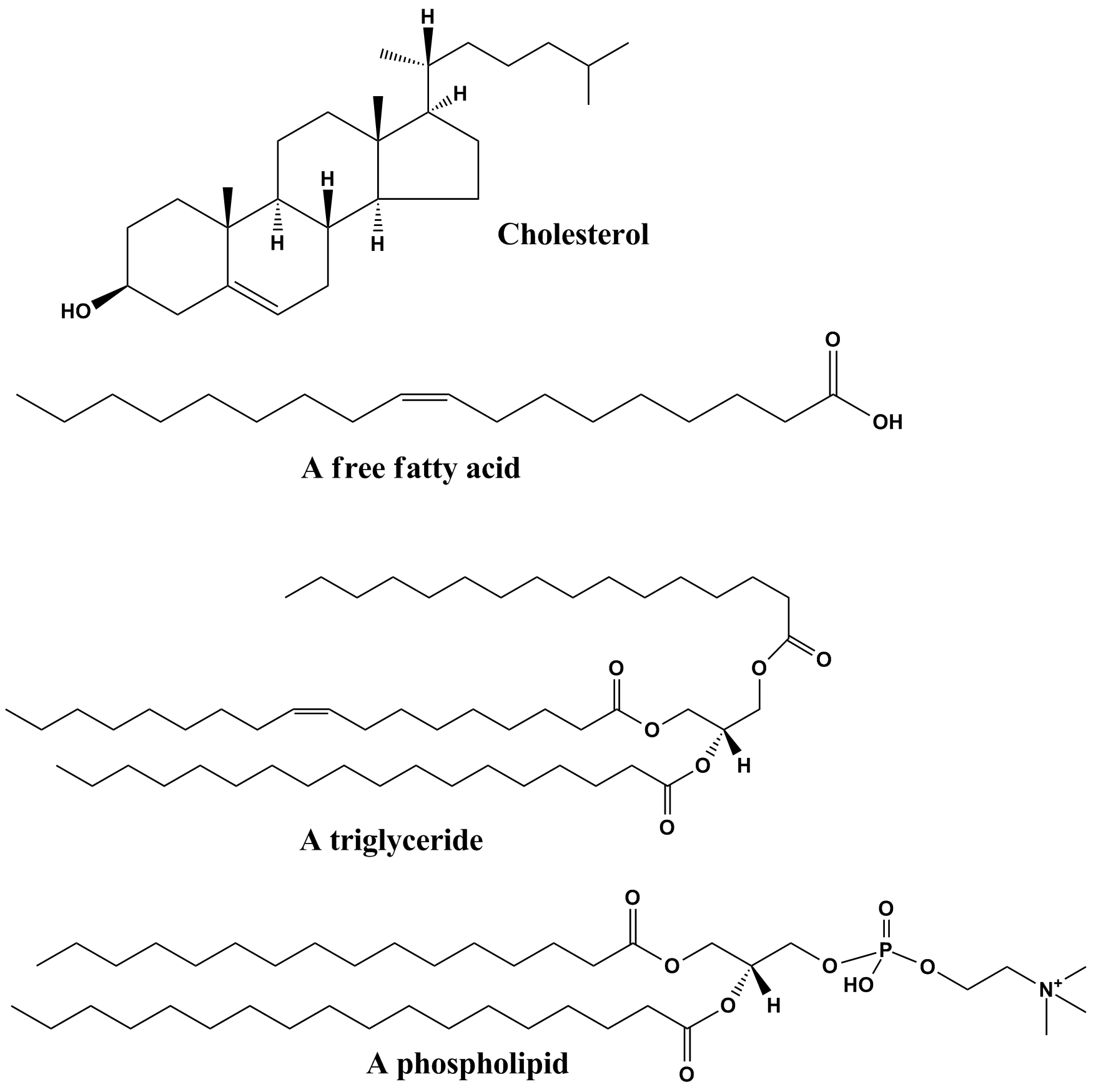
This unit was about lipids, enzymes, carbohydrates etc. The essential understandings is how increasing molecular complexity serves as building blocks for life. Also the different factors affecting enzyme functions. Carbohydrates play a big role in building blocks giving us an energy source. Asking our selves why water is wet and why it sticks to certain things. From the labs I completed I learned about the different curdling agents and how Ph and temperature affects them From acid and bases to hot and cold. the best curdling agent for cheeses is chymosin mixed with acid with decreases the curdling time while buttermilk in hot water takes over 20 minutes. During labs our strength was working together and being collaborative. Our weakness was that we used the same materials making some of our answers incorrect and false.
From these experiences I learned how to work together in a group and got a better understanding of carbohydrates, lipids and enzymes while working. I learned by paying attention and doing my part. I also learned how to have the correct data and not the data to be false by not doing something by not washing out the beakers or cleaning up something.
I want to learn moire about carbohydrates and how they affect ones body and their immune system. How do carbohydrates work in the body and how does it covert into sugars proteins and fats.
From these experiences I learned how to work together in a group and got a better understanding of carbohydrates, lipids and enzymes while working. I learned by paying attention and doing my part. I also learned how to have the correct data and not the data to be false by not doing something by not washing out the beakers or cleaning up something.
I want to learn moire about carbohydrates and how they affect ones body and their immune system. How do carbohydrates work in the body and how does it covert into sugars proteins and fats.
Monday, September 19, 2016
Sugars and sweetness lab
In this lab we tested 8 different Carbohydrates to see the type of Carbohydrate it was the degree of sweetness, color, texture, and other observations/ connections to food. We found the different degree of sweetness, color, texture and other observations by seeing what it looks like feeling it and tasting it. The qualitative data is when we tasted it and tasted the degree of sweetness and when we felt the texture of the carbohydrate. Quantitative is when we figured out the degree we had to see what number would best fit that.
Living organisms use carbohydrates as accessible energy to fuel cellular reactions and for structural support inside cell walls. Cells attach carbohydrate molecules to proteins and lipids, modifying structures to enhance functionality. For example, small carbohydrate molecules bonded to lipids in cell membranes improve cell identification, cell signaling, and complex immune system responses.
No everyone in the group got the same answer. We all had different answers do to we are all different. First off we have different taste buds and react different to taste. Second not every molecule tastes the same and tastes different. Thirdly we all have different opinions and react differently to everything.
Taste is a chemical when using your taste buds with cells called raptor cells. Flavor is a mix of multiple senses. To have flavor, the brain interacts with the stimuli, but also olfactory, stimuli and tactile and thermal sensations. With spicy food the brain will process it as a different category.
Wednesday, September 7, 2016

Conclusion
Conclusion
In this lab we asked the question, "how does each concentration of bleach affect a 5x5 in square of jeans?" We found that the higher percentage of bleach has the most dis colorization on the jeans. The different measures of bleach was used. 0%, 12.5%, 25%, 50%, and 100% of bleach concentration and we would see which one had the most dis colorization. Knowing that bleach whitens things we started an experiment to see what the different percentages would do with water at 0% and pure bleach at 100% and etc. An example of this is that it is known that bleach whitens/ cleans things but with a certain amount of solution but when having pure bleach the fabric will not be the same do to it being damaged and the fabrics color going away. This data supports our claim because the different amount of bleach has different affects with 0%- 100%.
While our hypothesis was supported by our data,that the higher percentage of bleach will have higher damage rate. There could have been errors due to we used the same container for each set of jeans and the bleach could've been still in the cup do to we never washed the beaker. Making some of our data false.
This lab was done to demonstrate the different affects of bleach and hoe it affects jeans with different percentages of bleach and water. From this lab I learned that bleach has a major affect and a lot of fabric damage and dis colorization which helps me learn the concept of how things are different when you delude them. Based on my experiences from this lab I learned that you can use powerful things to a certain extant by deluding it and making it weaker.
While our hypothesis was supported by our data,that the higher percentage of bleach will have higher damage rate. There could have been errors due to we used the same container for each set of jeans and the bleach could've been still in the cup do to we never washed the beaker. Making some of our data false.
This lab was done to demonstrate the different affects of bleach and hoe it affects jeans with different percentages of bleach and water. From this lab I learned that bleach has a major affect and a lot of fabric damage and dis colorization which helps me learn the concept of how things are different when you delude them. Based on my experiences from this lab I learned that you can use powerful things to a certain extant by deluding it and making it weaker.
Subscribe to:
Posts (Atom)